Traffic Lights Around the World: Differences and Similarities
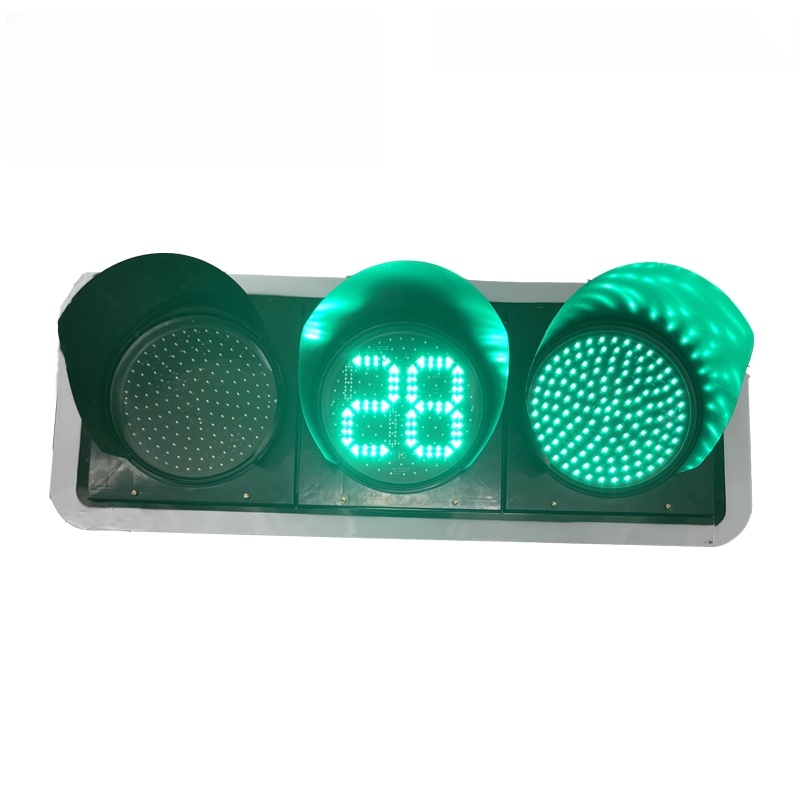
Traffic lights are a universal feature of roads around the world, but while the basic three-color system (red, yellow, green) is consistent across most countries, there are subtle differences in their design, usage, and cultural significance. These differences reflect the unique traffic conditions, cultural norms, and regulatory requirements of each country, but the core purpose—ensuring road safety and order—remains the same.
One of the most obvious similarities is the use of the three-color signal system. Almost every country uses red to indicate stop, green to indicate go, and yellow (or amber) to indicate caution. This universal language ensures that drivers from different countries can easily understand traffic signals when traveling abroad, reducing confusion and accidents. However, there are minor differences in the color shades: for example, some countries use a brighter red or a more orange-yellow than others, but the meaning remains unchanged.
Another similarity is the placement of traffic lights. In most countries, traffic lights are mounted at intersections, either on poles above the road or on the side of the road. They are usually positioned to be visible to drivers from a distance, ensuring that drivers have enough time to react to signal changes. However, there are differences in the number of signals per direction: some countries use a single set of lights for all lanes, while others have separate signals for left turns, right turns, and straight traffic. For example, in the United States, it is common to have dedicated left-turn signals, while in some European countries, left turns are allowed on a green light unless otherwise indicated.
Cultural and regulatory differences also affect how traffic lights are used. In some countries, such as Japan, traffic lights are accompanied by sound signals to help visually impaired pedestrians cross the road. In Germany, traffic lights are often placed at eye level for drivers, making them easier to see, especially in heavy traffic. In some developing countries, traffic lights may be less reliable, with frequent power outages or broken signals, leading to more chaotic intersections. Additionally, some countries have unique traffic light traditions: for example, in the Netherlands, there are dedicated traffic lights for cyclists, which are often mounted at a lower height to be visible to cyclists.
Despite these differences, traffic lights serve the same essential purpose in every country: to manage traffic flow, prevent accidents, and keep roads safe. The universal adoption of the three-color system is a testament to its effectiveness, and while minor variations exist, they do not detract from the ability of traffic lights to communicate clearly and efficiently with road users around the world.