Modern Innovations in Traffic Light Technology
In recent years, advances in technology have transformed traffic lights from simple, fixed-timing devices into smart, interconnected systems that are more efficient, reliable, and adaptable. These innovations are designed to address the challenges of modern urban traffic, such as congestion, pollution, and the need to accommodate a growing number of vehicles, pedestrians, and cyclists. From LED bulbs to artificial intelligence, modern traffic lights are revolutionizing the way we manage traffic.
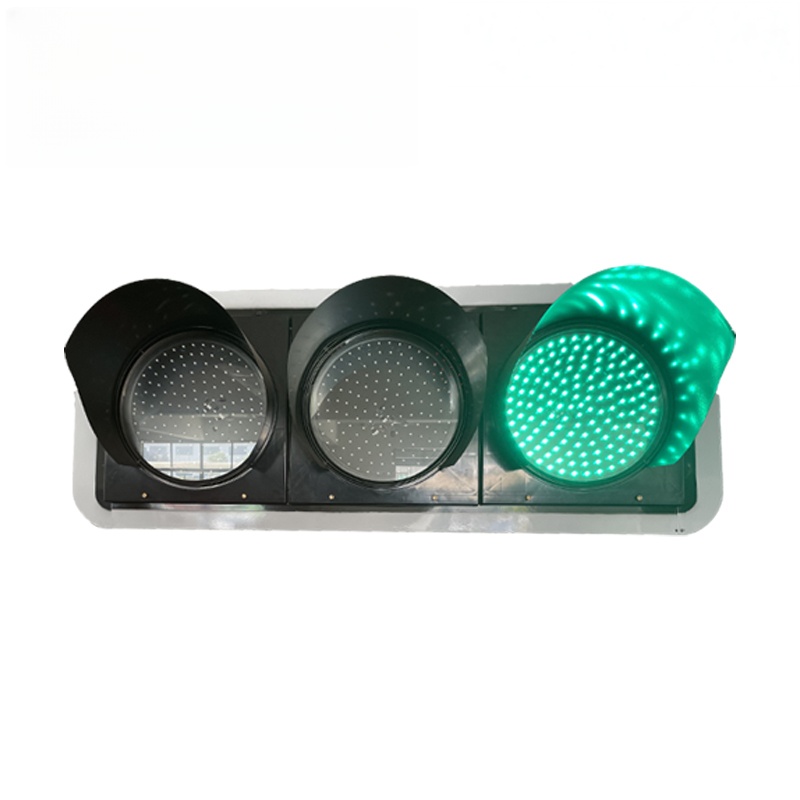
One of the most significant innovations in traffic light technology is the use of LED bulbs. Replacing traditional incandescent bulbs with LEDs has multiple benefits: LEDs are more energy-efficient, using up to 80% less energy than incandescent bulbs; they last much longer, reducing maintenance costs; and they are brighter, making them more visible to drivers, even in harsh weather conditions such as rain, fog, or snow. Many cities around the world have already replaced their incandescent traffic lights with LEDs, resulting in significant energy savings and improved visibility.
Another major innovation is the development of smart traffic light systems, which use sensors, cameras, and artificial intelligence to monitor real-time traffic flow and adjust signal timing accordingly. These systems can detect the number of vehicles waiting at each direction, the speed of traffic, and even the presence of pedestrians and cyclists. For example, if a sensor detects a long line of cars waiting at a red light, the system will extend the green light to clear the queue. If there are no vehicles waiting, the system will shorten the green light to reduce wait times for other directions. Some smart systems even communicate with each other, allowing traffic lights along a route to coordinate their signals, creating a “green wave” that allows drivers to travel through multiple intersections without stopping.
In addition, modern traffic lights are being integrated with other smart city technologies, such as traffic management apps and connected vehicles. Some traffic lights can send real-time signal information to drivers’ phones or in-car systems, allowing drivers to adjust their speed to catch a green light, reducing idling and emissions. Connected vehicles can also communicate with traffic lights, providing data on their location and speed, which helps the traffic light system make more accurate adjustments. These innovations are not only improving traffic flow and reducing congestion but also making roads safer and more sustainable.